My 20-year-old boys are into Hey baseball, and this is a fantastic bat for the money. It is short, fairly wide, and lightweight, which allows the children to hit the ball better. I highly recommend this bat.
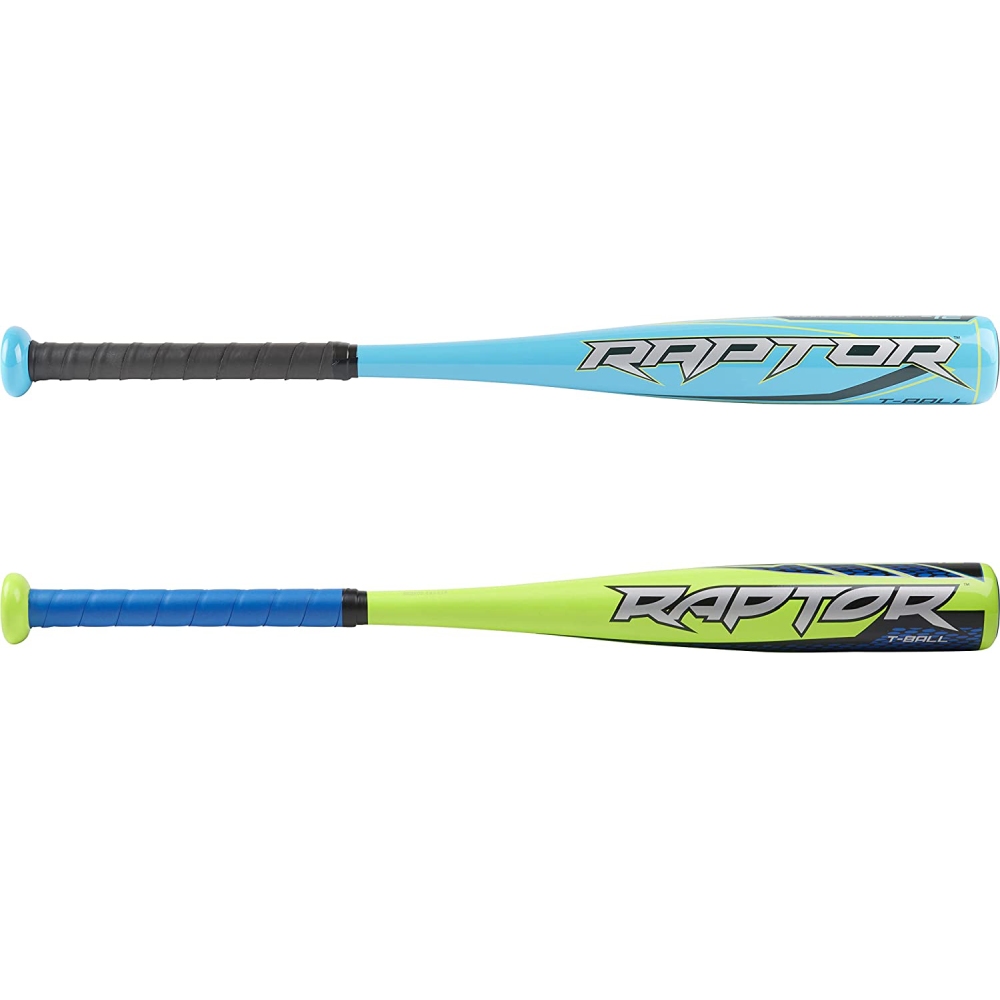
Tee Ball Bat | Bat For Tee Ball | Metal T-Ball Bat
Lightweight, sturdy, and easier to swing, this tee ball bat is perfect for every entry-level player
Available in 61cm, 63.5cm, & 66cm. This t-ball bat has a faster swing speed due to the ultra-light bat drop weight
Price range: £39 through £59
A Variety Of Options to Choose From
FREE FAST DELIVERY ACROSS THE UK FOR ALL ORDERS £75+ OR MORE - (Save £25)
This aluminium bat has a faster swing speed due to the ultra-light bat drop weight.
(-12) Drop Weight: The higher the drop weight, the easier it will be to swing.
Product Description
- Sizes: 61cm | 63.5cm | 66cm
- Sport Type: Baseball | T-Ball
- Material: Aluminum
- Colour: Blue
- Included Components: 1x Bat
- Grip Material: Polyurethane
- Grip Size: Standard
- Grip Type: High Tack
- Skill Level: All
DUE TO CURRENT DEMAND PLEASE ALLOW 5-7 DAYS DELIVERY
Direct To Your Door - All Across The UK
For any questions regarding our products or for assistance with your order, please email and you will receive a response within 1 business day. Or use our customer website AI Bot for instant assistance
Email: theteam@customersupport.care
Delivery time varies by location.
UK 5-7 days * (This doesn’t include our 24-48 hour order handling & processing time)
You will receive an email with a tracking number once your order is shipped. For logistical reasons, items in the same purchase may be sent in separate packages.
Our products can be returned within 15 days of the original purchase of the product.
A non-refundable dollar amount of $39 per order (which covers the initial product packing & handling fee) is applicable and items must be shipped back to the original warehouse your package was sent from (at the cost of the purchaser) if the purchaser is returning for the following reasons:
- Better price found
- Changed mind
- Doesn’t fit
- No longer needed
- Ordered wrong item
- Your refund will be processed 24-48 hours after receipt of the returned item
Refunds may be held in credit against your account for future purchases if requested or directly refunded via the original mode of payment (ie your credit card or Paypal account)
You can return your product anytime within 15 days for an exchange or refund (not including the product handling & shipping fee) subject to the following conditions.
To be eligible for a return, please ensure:
- The product was purchased within the last 15 days.
- The product is in its original packaging.
- You have the receipt, order confirmation or proof of purchase from this website
- We are unable to accept returns of purchases made from third-party retailers.
Products that do not meet these criteria will not be considered for return.
This is the perfect baseball and T-ball bat for entry-level players to use with soft-core T-balls. The light, balanced design provides players with a larger sweet spot, helping them make better contact with the ball.
STURDY, LIGHTWEIGHT, AND EASY TO SWING
This baseball bat has a (-12) drop weight and is ideal for kids and young players. This enables more control, swifter swing speeds, and a bigger sweet spot.
NEW VIBRANT COLOUR DESIGN
This T-ball bat has a brand-new aesthetic that makes players stand out on the field with its blue pattern.
USE FOR BASEBALL T-BALL LEAGUES
This baseball bat is approved for use in associated T-ball leagues. This bat’s performance will be reliable thanks to its one-piece alloy construction.
-
What is your return policy?
We offer a 15-day return window on most items. Products must be unused and in original packaging.
-
I HAVEN'T RECEIVED MY ORDER YET! IS IT LOST?
If you have any concerns with your order, please contact our support team by email and they will be glad to assist you. Most emails are answered within 1 business day.
Support Team: theteam@customersupport.care
-
DO YOU HAVE A SHOP LOCATION?
We are a “online supplier”, with no physical shop or premises. In this way, we are able to pass our considerable savings directly to you.
-
How do I start a return?
Visit our Returns Center https://gutterguards.net.nz/terms-conditions/returns-policy or contact customer support to initiate the process.
-
How can I track my order?
Once your order ships, you’ll receive a confirmation email with a tracking link.
-
HOW DO I KNOW IF MY ORDER HAS BEEN SHIPPED?
Once your order is shipped, it will be marked as complete in our database and you will receive a confirmation email with a tracking number.
-
WHICH PAYMENT METHODS ARE ACCEPTED?
We currently only accept credit card payments, PayPal & Crypto currency. More payment methods will be added in the future.
-
Do I need an account to place an order?
No, you can checkout as a guest. However, creating an account allows for faster checkout and order tracking.
-
When will I receive my refund?
Refunds are processed within 24-48 hours after the returned item is received and inspected.
-
WHAT CURRENCY ARE THE PRICES DISPLAYED IN?
All of our prices are displayed in £GBP- British Pound
-
Can I modify or cancel my order after it's placed?
Orders can only be modified or canceled within 1 hour of placement. Please contact our support team as soon as possible.
-
WHAT ARE YOUR DELIVERY OPTIONS AND HOW LONG WILL IT TAKE?
- UK: Free delivery, 5-7 days
- Other countries: Free delivery, 7-10 days
OUR DELIVERY PARTNERS

-
DO I GET A RECEIPT FOR MY ORDER?
You will be sent a receipt for your order by email after payment is made. You will also receive a confirmation email with a tracking number once your item has been shipped.
-
How do I place an order?
Simply browse our products, add items to your cart, and proceed to checkout. Follow the prompts to enter shipping details and payment information.
-
How can I contact customer support?
You can reach us via email at theteam@customersupport.care or through our AI chat.
-
Is my personal information secure?
Yes, we use industry-standard encryption and secure payment gateways to protect your information.
-
1
Tee Ball Bat: How to Choose the Perfect Bat for Tee Ball and Why a Metal T-Ball Bat Is a Smart Choice
Every young athlete’s baseball journey starts somewhere, and for most, that somewhere is a tee ball diamond. The game is designed to teach fundamentals in a fun, pressure-free environment where the ball sits motionless on a rubber tee, waiting to be hit. But while the game itself is simplified for young players, choosing the right tee ball bat is a decision that deserves genuine thought. The bat your child swings in those formative seasons shapes how they learn to hit, how much fun they have, and whether they develop the confidence to keep playing as the competition advances.
This guide covers everything parents, coaches, and new players need to know about selecting the ideal bat for tee ball. From understanding size and weight specifications to exploring why a metal t-ball bat is the most popular and practical choice for young hitters, the information here helps you make a decision that sets your child up for success from their very first swing.
What Makes a Tee Ball Bat Different From Other Baseball Bats
A tee ball bat is specifically engineered for the youngest players in organised baseball, typically aged four to seven. These bats differ from standard youth baseball bats in several important ways that reflect the physical capabilities and developmental needs of small children just learning the game.
The most obvious difference is size. A bat for tee ball is shorter and lighter than bats designed for older youth players, reflecting the smaller stature and developing strength of tee ball athletes. Barrel diameters on a tee ball bat are typically 2.25 inches, which is the standard for the youngest age divisions. The overall construction prioritises lightweight swing weight and durability over the performance optimisation that older players seek in their equipment.
Why Standard Youth Bats Are Not Suitable for Tee Ball
Parents sometimes consider purchasing a larger youth bat with the intention of their child growing into it, but this approach creates problems that outweigh any perceived savings. A bat that is too long or too heavy for a tee ball player forces the child to compensate with poor swing mechanics. They may cast the bat out with their arms instead of rotating their body, drop the barrel before making contact, or develop a slow, looping swing path that becomes increasingly difficult to correct as they advance.
A properly sized tee ball bat allows the young hitter to swing with control, make consistent contact, and develop the rotational mechanics that form the foundation of good hitting at every subsequent level. Starting with the right bat for tee ball teaches correct habits from the beginning, making the transition to coach pitch and kid pitch far smoother when the time comes.
Why a Metal T-Ball Bat Is the Most Popular Choice
Walk into any sporting goods retailer and the metal t-ball bat dominates the tee ball section for good reason. Aluminium alloy construction offers a combination of durability, performance, and practicality that other materials struggle to match for this age group and level of play.
Durability That Survives Young Players
Young children are not gentle with their equipment. Bats get dropped on concrete, dragged through dirt, tossed into car boots, and occasionally used to hit things other than baseballs. A metal t-ball bat handles this treatment without structural damage. Aluminium alloy does not crack, splinter, or shatter the way wood can, and it resists denting from the relatively low impact forces generated by tee ball aged hitters. A quality metal t-ball bat purchased at the start of a season will look and perform virtually the same at the end, and often serves multiple siblings or seasons before needing replacement.
Lightweight Construction for Small Hitters
Aluminium alloy allows manufacturers to produce a tee ball bat that is extremely light relative to its length. This lightweight construction is critical for young players who have not yet developed the strength to swing a heavy bat with any speed or control. A metal t-ball bat in the 14 to 17 ounce range gives a small child enough mass to make solid contact with the ball while remaining light enough to swing with proper form and reasonable bat speed.
The physics are straightforward: a bat for tee ball that a child can swing quickly produces better results than a heavier bat swung slowly. Bat speed generates the energy that drives the ball off the tee, and a lightweight metal t-ball bat maximises the speed a young hitter can achieve within their physical limitations.
Ready to Use With No Break-In Period
Unlike composite bats that require hundreds of hits to reach peak performance, a metal t-ball bat performs at its best from the very first swing. There is no break-in process, no need to rotate the barrel during initial use, and no concern about temperature restrictions that affect composite materials. For a tee ball player who may only have a handful of practices before their first game, the immediate readiness of a metal t-ball bat is a significant practical advantage. You take it out of the packaging, and it is game ready.
Other Tee Ball Bat Materials: How They Compare
While the metal t-ball bat is the most common choice, other materials are available in the tee ball bat market. Understanding the alternatives helps you appreciate why aluminium remains the dominant option and whether any alternative might suit your specific situation.
Composite Tee Ball Bats
Composite bats use layered carbon fibre construction to create a barrel that flexes on contact, potentially generating a slight trampoline effect that increases batted ball distance. In older age groups, this technology makes a meaningful performance difference. In tee ball, where the ball is stationary and swing speeds are modest, the performance advantage of a composite bat for tee ball over a metal t-ball bat is negligible.
Composite tee ball bats also come with practical drawbacks for this age group. They require a break-in period that young players may not complete before losing interest. They can crack in cold temperatures, which is a concern for early spring seasons. And they are generally less forgiving of the off-centre hits and ground contact that are inevitable when four to seven year olds are swinging. For most tee ball families, a metal t-ball bat offers better value and fewer headaches.
Wood Tee Ball Bats
Wood bats carry a romantic appeal in baseball, and some parents are drawn to the idea of their child learning to hit with a traditional wooden tee ball bat. Maple, ash, and birch bats are available in tee ball sizes, and they do provide excellent feedback on contact quality, as mishits sting noticeably while solid contact produces the satisfying crack that wood bat purists love.
The practical limitations of wood as a bat for tee ball material are significant, however. Wood bats break. A tee ball player who makes contact with the handle or the end cap, which happens frequently at this age, risks cracking or snapping the bat entirely. Wood bats are also heavier than comparable metal t-ball bat options at the same length, which can hinder swing development for smaller or less physically developed children. Wood has its place in baseball development, but for most tee ball players, it introduces unnecessary fragility and weight.
Plastic and Foam Tee Ball Bats
Plastic and foam bats are sometimes marketed as tee ball equipment, but they are more accurately categorised as toys. They serve a purpose for backyard play with plastic balls and can introduce very young toddlers to the concept of swinging at a target. However, they lack the weight, balance, and structural integrity to develop real hitting mechanics. A child who learns to swing with a plastic bat will need to completely readjust when they pick up an actual tee ball bat for organised play.
If your child is enrolled in an organised league, skip the plastic options and go directly to a properly sized metal t-ball bat. The transition from toy to real equipment is much easier when it happens before habits are formed rather than after.
How to Size a Tee Ball Bat Correctly
Proper sizing is the most important factor in selecting a bat for tee ball that supports good swing development. A bat that is too long, too heavy, or too light creates problems that no amount of coaching can fully overcome at this developmental stage.
Length Guidelines for a Tee Ball Bat
Tee ball bats typically range from 24 to 27 inches in length. The correct length for your child depends on their height and reach. A simple sizing method is to have the child stand straight with the bat held at their side. If the end of the bat reaches the ground without the child leaning or bending, the length is appropriate. If the bat extends past the ground, it is too long. If it stops well above the ground, it may be too short.
Another test involves having the child hold the tee ball bat out to the side with one hand, arm fully extended. If they can hold the bat parallel to the ground for several seconds without the barrel dropping significantly, the length and weight combination is manageable. If the barrel drops immediately or the child cannot maintain the position, try a shorter or lighter metal t-ball bat until you find one they can control comfortably.
Weight and Drop Weight for Tee Ball
Drop weight refers to the difference between a bat’s length in inches and its weight in ounces. A tee ball bat that is 25 inches long and weighs 15 ounces has a drop of minus 10. Most bats for tee ball feature drop weights between minus 10 and minus 13, making them extremely light relative to their length. This ultra-light construction ensures that even the smallest players can swing with enough speed to make meaningful contact.
Within this range, lean toward lighter options for smaller or younger children and slightly heavier options for bigger, more physically developed players. When in doubt, go lighter. A tee ball bat that a child can swing fast and control fully always produces better developmental outcomes than a heavier metal t-ball bat that slows their swing and compromises their form.
The One-Arm Test for Bat Weight
The one-arm extension test is the most reliable quick assessment for bat for tee ball weight suitability. Have the child grip the bat handle with their dominant hand and extend their arm straight out in front of them at shoulder height. They should be able to hold the tee ball bat in this position for at least 20 to 30 seconds without visible shaking, excessive strain, or the barrel drooping below horizontal. If they pass this test, the metal t-ball bat weight is appropriate for their current strength level.
Barrel Diameter and League Requirements
Most tee ball leagues require bats with a maximum barrel diameter of 2.25 inches. Some leagues have adopted the USA Baseball certification standard, which applies performance limitations to ensure competitive balance and safety. Before purchasing a tee ball bat, verify your league’s specific requirements regarding barrel diameter, certification stamps, and any restrictions on bat construction materials.
A certified metal t-ball bat from any reputable manufacturer will meet the requirements of the vast majority of tee ball leagues. However, rules do vary between organisations, and showing up to a game with a non-compliant bat for tee ball means your child cannot use it during play. A quick check with your league coordinator before purchasing prevents this frustrating scenario entirely.
Features to Look for in a Quality Metal T-Ball Bat
Once you have established the correct size and verified league compliance, several additional features distinguish a quality metal t-ball bat from a basic one.
Grip and Handle Construction
The grip on a tee ball bat needs to accommodate small hands that may not yet have developed a strong, confident hold. A quality metal t-ball bat features a cushioned grip made from synthetic material or rubber that provides tackiness without being sticky. The grip should be thin enough for a child’s fingers to wrap around comfortably, as an oversized grip forces an unnaturally wide hand position that weakens the hold and reduces bat control.
Some bats for tee ball include a tapered knob at the base of the handle that helps prevent the bat from slipping out of small hands during the swing. This safety feature is particularly valuable for the youngest players who are still learning proper grip technique and may not consistently maintain a secure hold through the entire swing path.
Barrel Length and Sweet Spot
The sweet spot on a tee ball bat is the area of the barrel that produces the most solid, efficient contact. A longer barrel creates a larger sweet spot, which is advantageous for young hitters who are still developing the hand-eye coordination needed to make consistent centre-barrel contact. Quality metal t-ball bat designs maximise barrel length relative to overall bat length, giving young players the most forgiving hitting surface possible.
One-piece construction, where the barrel and handle are formed from a single tube of aluminium, is the standard for a bat for tee ball. This unified construction provides a direct, consistent feel at contact with no flex point between the handle and barrel. Two-piece designs that connect a separate handle to the barrel are more common in older age groups and offer minimal advantage in tee ball applications.
Vibration Dampening
Mishits sting. Even with a lightweight tee ball bat, contact on the handle or the very end of the barrel sends vibration through the hands that can be uncomfortable and discouraging for young players. Quality metal t-ball bat models incorporate vibration dampening features, either through internal foam inserts, tapered handle geometry, or alloy formulations that naturally reduce the transmission of impact shock.
While vibration dampening is less critical in tee ball than in older age groups where ball speeds are higher, it still matters for maintaining a positive experience. A child who associates hitting with hand pain will resist swinging aggressively, developing tentative habits that are difficult to reverse. A bat for tee ball that minimises sting encourages fearless, committed swings from the first practice onward.
Teaching Proper Swing Mechanics With a Tee Ball Bat
The right tee ball bat facilitates good swing mechanics, but the bat alone does not teach a child how to hit. Pairing quality equipment with basic instruction creates a foundation that serves the player throughout their entire baseball career.
Grip and Stance Fundamentals
Teach young hitters to align their door-knocking knuckles when gripping the tee ball bat, creating a natural hand position that allows the wrists to hinge properly during the swing. Their stance should be slightly wider than shoulder width, with knees softly bent and weight evenly distributed. The metal t-ball bat should rest on the back shoulder with the barrel pointing upward, not wrapped behind the head or held flat.
At this age, simplicity is essential. Overloading a young player with technical instructions creates confusion and tension. Focus on a comfortable grip, a balanced stance, and the instruction to watch the ball and swing hard. The properly sized bat for tee ball handles the rest by allowing natural, athletic movement without compensations forced by inappropriate equipment.
Developing a Level Swing Path
A level swing path through the hitting zone maximises the chance of solid contact, and a correctly weighted tee ball bat makes this path easier to achieve. If the bat is too heavy, the barrel drops below the ball, producing weak grounders and topped shots. If the bat is too light, some children develop an overly steep, chopping motion that catches the top of the ball rather than driving through it.
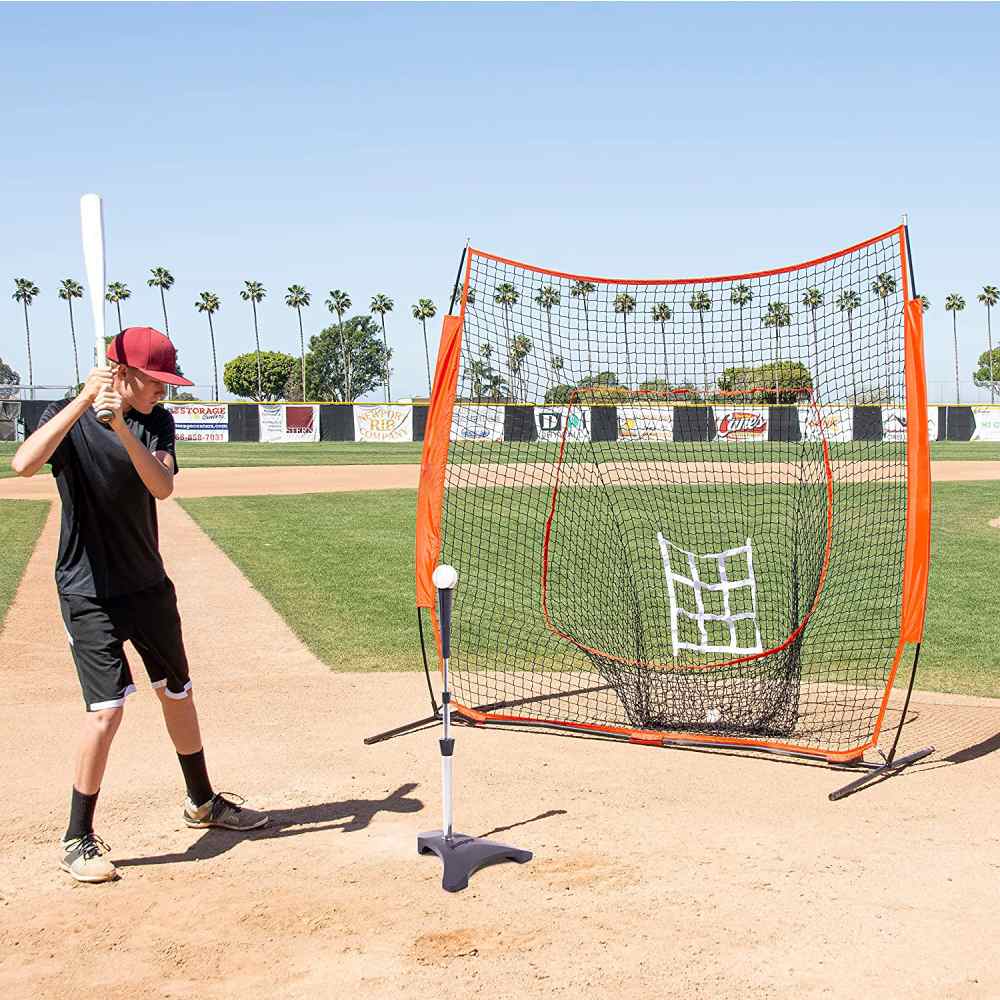
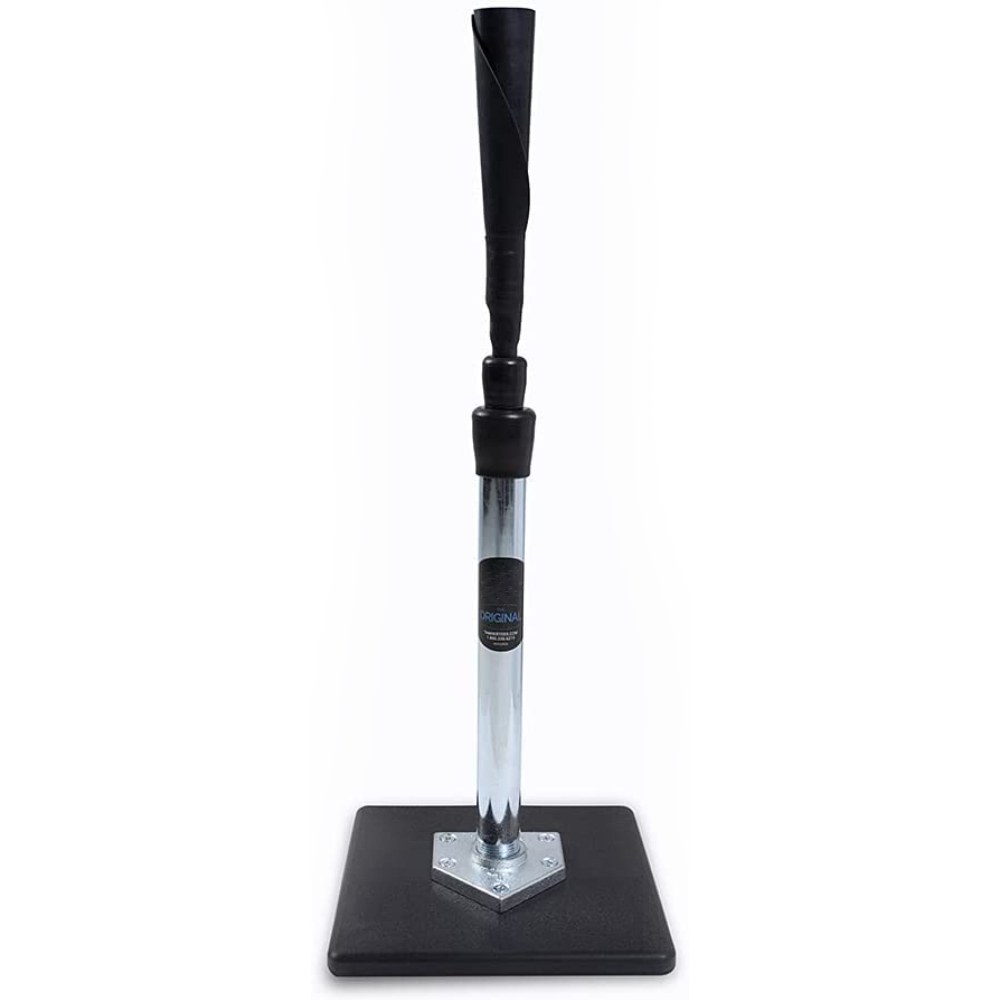
The tee itself is a valuable training tool for developing swing path. Set the tee at various heights and encourage the child to drive the ball forward on a line rather than popping it up or chopping down. A metal t-ball bat with a good weight distribution naturally promotes a swing plane that meets the ball squarely, reinforcing the feeling of solid contact that young players find rewarding and addictive.
Using the Tee to Build Confidence
The stationary ball on a tee provides unlimited opportunities for young hitters to experience success. Unlike coach pitch or machine pitch, where timing adds complexity, tee ball isolates the swing itself as the only variable. This makes it the ideal setting for a child to learn what solid contact feels like when using a properly matched tee ball bat. Each satisfying crack of the metal t-ball bat meeting the ball squarely builds confidence that carries forward into more challenging hitting environments.
Encourage children to take as many swings as they want during practice. Repetition with a quality bat for tee ball builds the neural pathways that eventually make hitting feel automatic. There is no such thing as too much tee work, and many professional hitters still use a tee as part of their daily preparation, proving that the fundamentals established with a tee ball bat remain relevant at the highest level of the game.
Caring for Your Metal T-Ball Bat
A metal t-ball bat requires minimal maintenance, but a few habits keep it performing consistently and looking good across its full lifespan.
Cleaning and Inspection
Wipe your tee ball bat down with a damp cloth after each use to remove dirt, grass stains, and any sticky residue from batting gloves or hands. Inspect the barrel for dents, the handle for grip wear, and the end cap for looseness. While a metal t-ball bat is highly durable, identifying minor issues early prevents them from developing into problems that affect performance or safety.
Storage and Temperature Considerations
Store your bat for tee ball indoors or in a temperature-controlled environment. While aluminium handles temperature extremes better than composite materials, prolonged exposure to extreme heat inside a car boot during summer or freezing temperatures in an unheated garage is best avoided. Store the tee ball bat vertically or horizontally on a flat surface rather than leaning it at an angle where it could fall and sustain dent damage.
Grip Replacement
The grip on a metal t-ball bat wears out faster than the bat itself, particularly on models used by multiple children or across several seasons. A worn grip that has become smooth or torn compromises the child’s hold on the bat and should be replaced. Replacement grips designed for youth bats are widely available and easy to install, restoring the secure, cushioned feel of a fresh bat for tee ball at a fraction of the cost of a new bat.
Frequently Asked Questions About Tee Ball Bats
What is the best length for a tee ball bat?
Most tee ball players do well with a bat between 24 and 26 inches. The ideal length depends on the child’s height and arm reach. Use the standing test where the bat held at the child’s side should just touch the ground. When in doubt, a shorter tee ball bat is safer than a longer one for maintaining proper swing mechanics.
How heavy should a bat for tee ball be?
Most metal t-ball bat options weigh between 14 and 18 ounces. Choose a weight the child can comfortably extend in front of them with one hand for 20 to 30 seconds. Lighter is almost always better at this age, as bat speed matters more than bat mass for tee ball hitting.
Do I need to buy a specific certified tee ball bat for my league?
Most organised tee ball leagues require bats that meet USA Baseball or similar certification standards. Check with your league before purchasing to confirm which certifications are accepted. A certified metal t-ball bat from a reputable brand meets the requirements of virtually all standard tee ball programmes.
Can my child use a tee ball bat for coach pitch?
Some children transition to coach pitch while still using their tee ball bat, particularly if they are on the younger end of the coach pitch age range. However, coach pitch leagues often permit or require longer, heavier bats with different certifications. Check your league rules and consider whether your child has outgrown their bat for tee ball before moving up.
How long will a metal t-ball bat last?
A quality metal t-ball bat easily lasts two or more seasons of regular use. Many families pass the same bat through multiple siblings, and the bat remains structurally sound and performance-ready throughout. Aluminium alloy construction makes the metal t-ball bat one of the most durable investments in youth sports equipment.
Final Thoughts on Choosing the Right Tee Ball Bat
The tee ball bat your child swings in their first organised season is more than just a piece of equipment. It is the tool that introduces them to the joy of hitting a baseball, the satisfaction of making solid contact, and the excitement of watching the ball travel after a good swing. A properly sized, quality metal t-ball bat removes every equipment-related barrier between your young player and that pure enjoyment.
Choose a bat for tee ball that matches your child’s size and strength, verify that it meets your league’s requirements, and let them swing it as often as they want. The habits they build with the right tee ball bat today become the foundation of their hitting for every season that follows. And when that first solid hit sails past the infielders and your child rounds first base with a grin that could light up the entire diamond, you will know that the time you spent choosing the right metal t-ball bat was worth every moment.


Reviews
There are no reviews yet.