Table Tennis Equipment | Ping Pong Equipment | Table Tennis Supplies

Premium Table Tennis Equipment: Paddles, Tables, Balls & Complete Ping Pong Supplies

Find everything you need to play, train, and compete in one place. Whether you are a beginner picking up your first bat or a seasoned player upgrading your ping pong equipment, we stock trusted brands and proven products that deliver performance, durability, & value with every purchase.

Fast delivery direct to your door all across the UK

  • 1

Table Tennis Equipment: A Complete Guide to Ping Pong Equipment and Essential Table Tennis Supplies

Table tennis is one of the most accessible and fast-paced sports on the planet. Millions of people play it recreationally in garages, community centres, and offices, while elite competitors push the boundaries of speed, spin, and strategy at the highest levels. What connects every player, from casual to professional, is the need for quality table tennis equipment that matches their skill level and style of play.

Whether you are setting up your first table at home, upgrading from a pre-made paddle to a custom setup, or searching for reliable table tennis supplies to keep your game sharp, this guide covers everything you need to know. We will walk through every major category of ping pong equipment, explain what to look for at each skill level, and help you avoid common mistakes that waste money and hold back your development.

Why Your Table Tennis Equipment Matters at Every Level

It is easy to dismiss table tennis equipment as a minor factor, especially if you have only ever played casually with whatever paddle happened to be lying around. But the truth is that ping pong equipment has an outsized influence on how the ball behaves, how much control you have over your shots, and how quickly your skills improve.

A cheap, smooth-faced paddle from a toy store handles nothing like a properly rubberised blade designed for the sport. The difference in spin generation alone is dramatic. When you move to appropriate table tennis supplies, shots that felt impossible suddenly become achievable because the equipment is finally working with your technique rather than against it. This applies at every stage of development, from a beginner learning basic strokes to an advanced player fine-tuning their loop game.

How Equipment Affects Spin, Speed, and Control

Every piece of table tennis equipment you use influences three fundamental aspects of the game: spin, speed, and control. The rubber on your paddle determines how much grip you can generate on the ball, directly affecting spin potential. The blade construction, including the number of plies and the types of wood or carbon used, governs how fast the ball leaves the paddle and how much feedback you feel on contact. Together, these elements of your ping pong equipment create a playing experience that is either well suited to your style or constantly fighting against it.

Understanding this relationship between table tennis supplies and playing characteristics is the foundation of making smart equipment choices. Rather than chasing the most expensive or most popular products, the goal is to find the combination that complements your strengths, supports your weaknesses, and allows your natural game to develop without artificial limitations.

The Paddle: The Most Important Piece of Ping Pong Equipment

If you could only invest in one piece of table tennis equipment, it should be your paddle. Also known as a racket or bat depending on where you play, the paddle is your direct connection to the ball and the single most influential factor in how your shots feel and perform. Choosing the right ping pong equipment in this category requires understanding two core components: the blade and the rubber.

Understanding Table Tennis Blades

The blade is the wooden core of the paddle, and its construction determines the overall playing characteristics of your table tennis equipment. Blades are typically made from multiple layers of wood, referred to as plies. A five-ply all-wood blade is the most common configuration for developing players, offering a balanced combination of speed, spin, and control that supports proper technique development.

As players advance, they may move toward blades that incorporate carbon fibre, aramid, or other composite materials between the wood layers. These additions increase stiffness and speed, making the ping pong equipment more powerful but also more demanding of precise timing and technique. The choice between an all-wood and a composite blade is one of the most significant decisions in selecting your table tennis supplies, and it should be guided by your actual playing level rather than aspiration.

All-Wood vs Composite Blades

All-wood blades offer a longer dwell time, meaning the ball stays on the rubber slightly longer during contact. This extra dwell gives players more time to impart spin and greater control over placement. For beginners and intermediate players, this characteristic makes all-wood table tennis equipment the ideal foundation for building solid fundamentals.

Composite blades reduce dwell time, sending the ball off the paddle faster and with a crisper feel. Advanced players who have already developed their timing and footwork benefit from this added speed. However, jumping to composite ping pong equipment too early often leads to inconsistency because the margin for error shrinks significantly. A good rule of thumb is to stick with all-wood table tennis supplies until you can consistently execute your core strokes with control, then consider upgrading when you feel limited by your blade’s speed rather than your own technique.

Choosing the Right Rubber for Your Playing Style

Rubber is the surface that contacts the ball, and it has the most direct impact on spin generation, speed, and the overall feel of your table tennis equipment. There are several categories of rubber, each designed for different playing styles and strategies.

Inverted Rubber: The Standard Choice

Inverted rubber features a smooth outer surface with pimples facing inward toward the sponge layer. This is the most popular type of ping pong equipment rubber because it provides the greatest potential for spin generation and offers excellent all-round performance. The vast majority of competitive players use inverted rubber on at least one side of their paddle, making it the default recommendation for anyone building their table tennis supplies collection.

Within the inverted category, rubbers vary significantly in their sponge thickness, topsheet tackiness, and overall hardness. Thicker sponges generally produce more speed, while thinner sponges favour control. Tackier topsheets grip the ball more aggressively for heavy spin, while less tacky surfaces offer a more predictable response. Finding the right balance within this spectrum of table tennis equipment takes some experimentation, but starting with a medium-thickness, moderately tacky rubber is sensible for most developing players.

Short Pimple and Long Pimple Rubber

Short pimple rubber has outward-facing pimples that are wider than they are tall. This type of ping pong equipment produces less spin than inverted rubber but offers greater speed for flat hitting and a unique ability to neutralize incoming spin. Players who favour a close-to-the-table blocking and hitting style often choose short pimples on one side of their paddle.

Long pimple rubber features taller, narrower pimples that bend on contact with the ball. This creates unpredictable spin reversals that can disrupt opponents who rely heavily on spin-based strategies. Long pimple table tennis supplies are typically used on the backhand side by defensive or variation-oriented players. They require specific technique to use effectively but can be devastatingly awkward for opponents who are unfamiliar with the effect.

Anti-Spin Rubber

Anti-spin rubber is a specialised type of table tennis equipment with an extremely slick, low-friction surface. It deadens incoming spin almost completely, returning the ball with minimal rotation regardless of what the opponent puts on it. While rarely seen at the highest levels of competition, anti-spin ping pong equipment can be an effective tool for defensive players and those who enjoy disrupting their opponent’s rhythm through variation.

Pre-Made Paddles vs Custom Setups

One of the first decisions any table tennis player faces is whether to buy a pre-made paddle or assemble a custom setup from separate blade and rubber components. Pre-made table tennis equipment is convenient and affordable, making it a sensible starting point for beginners who are still exploring the sport. These paddles come ready to play out of the packaging and require no assembly or gluing.

Custom setups, where you select your own blade and rubbers separately, offer dramatically more flexibility and performance. Competitive players almost universally use custom ping pong equipment because it allows them to tailor every aspect of the paddle to their specific playing style. The transition from a pre-made paddle to a custom configuration is one of the most significant upgrades in any player’s table tennis supplies journey, and it typically happens once a player has developed enough skill to notice the limitations of their entry-level equipment.

Table Tennis Tables: Choosing the Right Surface for Your Game

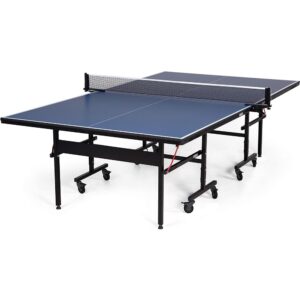
The table is the centrepiece of any table tennis setup, and selecting the right one depends on where and how you intend to play. Table tennis equipment in this category ranges from lightweight, portable models designed for occasional recreational use to tournament-grade surfaces built for competitive play.

Table Thickness and Its Impact on Ball Bounce

The playing surface thickness is the single most important specification when evaluating a table tennis table. Thicker surfaces produce a more consistent, higher bounce that closely replicates the experience of playing on competition-standard ping pong equipment. Tournament-approved tables typically feature surfaces of 25 millimetres or greater, while recreational table tennis supplies may use surfaces as thin as 12 millimetres.

For home players who want a reasonably authentic playing experience, a surface thickness of at least 19 millimetres provides a good balance between performance and affordability. Anything thinner than 16 millimetres will produce a noticeably dead, inconsistent bounce that makes it difficult to practice proper technique. If you plan to use your table tennis equipment for serious training or club play, investing in a thicker surface is one of the most impactful decisions you can make.

Indoor vs Outdoor Tables

Indoor table tennis tables use medium-density fibreboard or similar materials to create a smooth, consistent playing surface. These tables provide the best bounce quality and are the standard for all competitive ping pong equipment. However, they are not designed to withstand moisture, temperature fluctuations, or direct sunlight.

Outdoor tables are constructed from weather-resistant materials like aluminium composite or melaminated surfaces designed to handle the elements. While outdoor table tennis supplies have improved significantly in recent years, they still cannot quite match the bounce quality of a comparable indoor table. If you have the option to keep your table indoors, that will always provide the superior playing experience. If outdoor placement is your only option, choose the highest-quality outdoor ping pong equipment you can find to minimise the performance gap.

Foldability, Storage, and Portability

Practical considerations matter just as much as playing performance when selecting table tennis equipment. Most home tables feature a folding design that allows one or both halves to fold upright for storage. Look for tables with reliable locking mechanisms that keep the table secure both during play and in the folded position. Wheels or casters make it easier to move your ping pong equipment into position when you want to play and out of the way when you need the space.

Some table tennis supplies include a playback feature, where one half of the table folds up to create a practice wall while the other half remains flat. This is a valuable feature for solo training, allowing you to work on consistency and placement without needing a partner.

Essential Table Tennis Supplies Beyond the Paddle and Table

While the paddle and table get most of the attention, a complete table tennis setup requires several additional pieces of ping pong equipment that directly affect the quality of your playing experience.

Table Tennis Balls: Quality Varies More Than You Think

Not all table tennis balls are created equal, and using poor-quality balls can genuinely distort your practice. Training with inconsistent balls teaches your brain incorrect timing and contact points, creating habits that fall apart when you play with proper table tennis supplies in a match setting.

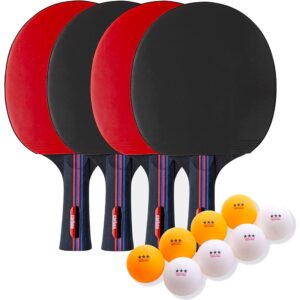
Competition-standard balls are rated with a star system, with three-star balls representing the highest quality. These balls have the most consistent roundness, weight, and bounce characteristics. For serious practice, always use three-star table tennis equipment. For casual play and multi-ball training drills where you go through large quantities, one-star or training-grade ping pong equipment is a cost-effective alternative that still provides reasonable consistency.

Celluloid vs Plastic Balls

The table tennis world transitioned from celluloid balls to plastic (poly) balls several years ago, primarily for safety and manufacturing consistency reasons. Modern plastic table tennis supplies play slightly differently from their celluloid predecessors, with marginally less spin and a slightly different bounce feel. All new players should train exclusively with plastic balls since these are the current competition standard for ping pong equipment worldwide.

Nets and Net Posts

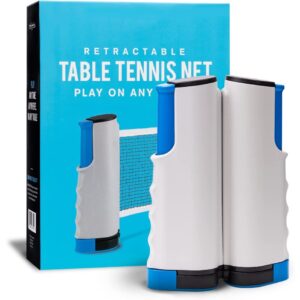
The net assembly is a piece of table tennis equipment that often gets overlooked, but a poorly made net can be a constant source of frustration during play. Look for nets with adjustable tension that maintain a consistent height across the full width of the table. Clip-on or screw-clamp post systems should attach firmly to the table edge without wobbling or shifting during rallies.

Tournament-grade net and post sets use cotton or cotton-blend mesh that provides a predictable response when the ball clips the net during play. Cheaper ping pong equipment nets made from synthetic materials tend to be stiffer and can cause the ball to bounce off the net rather than rolling over or dropping, which changes the dynamics of net play. If you are investing in quality table tennis supplies across other categories, do not undermine the experience with a substandard net.

Rubber Cleaning and Maintenance Products

Maintaining your paddle rubber is essential for preserving the performance of your table tennis equipment over time. Dust, oils from your skin, and environmental particles accumulate on the rubber surface during play, gradually reducing grip and spin potential. Regular cleaning restores the surface to near-new condition and extends the useful life of your ping pong equipment significantly.

Dedicated rubber cleaning solutions and sponges are inexpensive table tennis supplies that every player should own. After each playing session, a quick wipe with cleaner and a gentle sponge removes surface contaminants. Protective films placed over each rubber face when the paddle is not in use prevent oxidation and keep the surface tacky and responsive for longer.

Paddle Cases and Storage Solutions

Proper storage protects your investment in table tennis equipment. A quality paddle case shields your rubbers from sunlight, dust, and physical damage during transport. Hard cases offer the best protection for premium ping pong equipment, while soft pouches provide basic coverage for casual players. Whatever style you choose, using a case is far better than tossing your paddle loose into a sports bag where it can get scratched, compressed, or exposed to heat.

Table Tennis Equipment for Different Playing Styles

One of the things that makes table tennis so compelling is the diversity of playing styles the sport supports. Your choice of ping pong equipment should reflect and reinforce the style you play, whether that is aggressive attacking, patient defending, or something in between.

Equipment for Offensive Players

Offensive players who rely on powerful loops, fast drives, and aggressive topspin benefit from table tennis supplies that maximise speed and spin. This typically means a slightly faster blade, whether all-wood with a harder composition or a composite with carbon layers, paired with medium to thick sponge inverted rubbers that generate heavy rotation. The ideal ping pong equipment for this style gives you enough speed to end rallies with your attack while still allowing you to control the pace when rallying from mid-distance.

Equipment for Defensive Players

Defensive players who prefer chopping, blocking, and forcing errors through placement and variation need table tennis equipment that prioritises control above all else. Slower, more flexible all-wood blades allow for precise placement and consistent returns. Many defensive players pair inverted rubber on their forehand with long pimple rubber on their backhand, creating variation that makes it difficult for opponents to establish a rhythm. Choosing the right defensive ping pong equipment requires careful attention to the balance between control and the ability to counter-attack when opportunities arise.

Equipment for All-Round Players

All-round players who mix attacking and defensive elements equally need table tennis supplies that sit comfortably in the middle of the speed and control spectrum. A five-ply all-wood blade with medium-speed inverted rubbers on both sides is the classic all-round configuration. This type of ping pong equipment gives you the flexibility to loop when the opportunity presents itself, block effectively when under pressure, and push or chop when the rally demands patience. For developing players who have not yet committed to a specific style, all-round table tennis equipment is the safest and most versatile choice.

Common Mistakes When Buying Ping Pong Equipment

The table tennis equipment market is vast, and it is easy to make purchasing decisions that seem logical but actually set your game back. Here are the most common mistakes to avoid when selecting your table tennis supplies.

Buying Equipment That Is Too Fast for Your Level

The single most frequent error in table tennis equipment selection is choosing a blade or rubber that is faster than your technique can handle. It feels exciting to swing a lightning-fast paddle, but speed without control produces more errors, not more winners. Fast ping pong equipment amplifies every imprecision in your stroke, making it harder to develop the consistent timing and touch that form the foundation of advanced play. Start with table tennis supplies rated for your current level and upgrade gradually as your skills genuinely demand it.

Ignoring Rubber Thickness and Sponge Hardness

Many players focus exclusively on the rubber brand and model when shopping for table tennis equipment, overlooking the sponge thickness and hardness options available within each rubber line. These specifications have a dramatic impact on how the ping pong equipment performs. A softer sponge offers more control and a better feel for beginners, while a harder sponge provides greater speed and spin for powerful strokes. Failing to consider these variables means your table tennis supplies may not suit your game even if the rubber model itself is a good choice.

Neglecting Maintenance

Purchasing quality table tennis equipment and then neglecting its care is like buying a performance car and never changing the oil. Rubber surfaces degrade faster when left uncleaned and unprotected. Blades can warp if stored in extreme temperatures or humidity. Balls lose their roundness and bounce consistency with heavy use. A small investment in maintenance-focused table tennis supplies, cleaning solution, protective films, and a good case, pays for itself many times over by extending the life and performance of your primary ping pong equipment.

How to Build Your Table Tennis Supplies Collection Over Time

You do not need to buy everything at once. Building your table tennis equipment collection strategically over time ensures that every purchase adds genuine value to your playing experience.

Stage One: The Essentials

Start with a decent pre-made paddle, a set of three-star training balls, and access to a table with a reasonable surface thickness. These foundational table tennis supplies are all you need to begin developing your skills and discovering what aspects of the game you enjoy most. At this stage, the priority is playing regularly and learning the basic strokes rather than optimising your ping pong equipment.

Stage Two: The First Upgrade

Once you can consistently rally, serve with basic spin, and recognise the different effects of topspin and backspin, it is time to upgrade to a custom blade and rubber setup. This is where your table tennis equipment begins to reflect your personal playing style. Choose a blade and rubbers based on honest assessment of your current level, not where you hope to be in a year. Add a paddle case and rubber cleaning supplies to your ping pong equipment collection at this stage to protect your new investment.

Stage Three: Refinement and Specialisation

Experienced players continually refine their table tennis supplies as their game evolves. This might mean experimenting with different rubber brands to find the ideal spin-to-speed ratio, testing a blade with slightly different characteristics, or adding specialised training tools like a robot ball machine or a return board. At this stage, changes to your ping pong equipment should be deliberate and driven by specific performance goals rather than curiosity or marketing hype.

Frequently Asked Questions About Table Tennis Equipment

How often should I replace my table tennis rubber?

For regular players training several times per week, rubber typically needs replacing every two to four months. Casual players may get six months or more from their table tennis supplies. The clearest sign that replacement is needed is a noticeable decline in spin generation and grip. When your ping pong equipment starts feeling slippery despite cleaning, it is time for fresh rubber.

What table tennis equipment does a beginner need to get started?

A beginner needs a reasonable quality paddle, a set of three-star balls, and access to a table. That is all the essential ping pong equipment required to begin learning the sport. As skills develop, upgrading to a custom blade and rubber setup becomes the natural next step in building your table tennis supplies.

Does the type of ball really matter?

Yes, ball quality matters more than most casual players realise. Three-star balls offer the most consistent bounce and roundness, which is crucial for developing proper timing and technique. Using inconsistent table tennis equipment in this category can teach you habits that do not transfer to match play with regulation ping pong equipment.

Can I use the same rubber on both sides of my paddle?

Absolutely. Many players, particularly those with an attacking style, use the same inverted rubber on both sides of their table tennis equipment. Others prefer different rubbers on each side to create variation. Your choice should reflect your playing style and the tactical advantages you want from your ping pong equipment.

Final Thoughts on Choosing the Right Table Tennis Supplies

Selecting the right table tennis equipment is a journey that evolves alongside your skills. What works perfectly at one stage of your development may need adjusting as you improve and refine your playing style. The key is to approach your ping pong equipment choices with honesty about your current level, patience with the upgrade process, and a focus on how each piece of gear supports the fundamentals of your game.

Quality table tennis supplies do not need to be the most expensive options on the market. They need to be the right options for you, matched to your style, your ability, and your goals. When your table tennis equipment works in harmony with your technique, the sport becomes more enjoyable, more rewarding, and more addictive with every session at the table.