Sports Accessories | Sporting Accessories | Sport Accessory Equipment

Sports Accessories That Complete Your Game: Essential Sporting Accessories & Sport Accessory Equipment for Every Athlete

Great gear deserves great support. Our sports accessories collection brings together everything you need to train smarter, stay comfortable, & keep your equipment performing at its best.

From sweat management wearables & compression garments to kit bags, hydration solutions, training aids, & maintenance essentials, our sporting accessories are chosen to complement every sport & every skill level. 

Fast delivery direct to your door all across the UK

  • 1

Sports Accessories: Your Complete Guide to Sporting Accessories and Essential Sport Accessory Equipment

The spotlight in sport usually falls on the big-ticket items. Rackets, shoes, bats, and helmets get all the attention while the smaller gear that ties everything together often goes unnoticed. Yet anyone who has played with a slipping grip, a fogged-up pair of goggles, or a water bottle that leaked all over their kit bag knows the truth: sports accessories matter far more than most people give them credit for.

Sporting accessories are the supporting cast that makes every training session smoother, every match more comfortable, and every recovery faster. From sweatbands and compression sleeves to equipment bags and performance monitors, the right sport accessory equipment fills the gaps between your major gear and creates an experience that feels complete and professional. This guide explores the full landscape of sports accessories, helping you identify what you actually need, what you can skip, and how to choose quality sporting accessories that last.

What Counts as Sports Accessories

The term sports accessories covers a broad category of products that support, protect, maintain, or enhance your primary sporting equipment and your physical performance. These are not the centrepiece items you build your kit around. They are the complementary pieces that elevate everything else. Think of sporting accessories as the difference between simply having the gear to play and having a setup that is genuinely optimised for performance and comfort.

Sport accessory equipment spans everything from wearable items like headbands, wristbands, and compression garments to functional products like ball pumps, equipment bags, and training cones. It includes maintenance tools like grip tape, string savers, and cleaning kits. It covers technology like fitness trackers, heart rate monitors, and GPS watches. The category is enormous, and that is precisely why understanding what matters most for your specific sport helps you invest wisely rather than accumulating a drawer full of unused gadgets.

The Line Between Equipment and Accessories

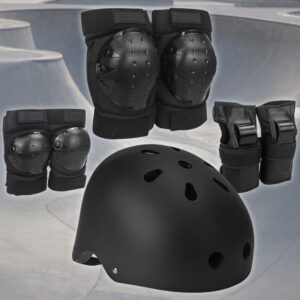
There is no universally agreed definition separating primary equipment from sports accessories, and the distinction sometimes depends on context. A water bottle is clearly a sporting accessory for a tennis player, but a specialised hydration vest becomes essential equipment for an ultra-marathon runner. Shin guards are primary protective equipment in football but fall into the sport accessory equipment category for casual five-a-side players who might not always wear them.

Rather than getting caught up in definitions, the practical approach is to think of sporting accessories as anything that complements your core gear and improves your overall sporting experience without being the primary tool of your sport. This framing keeps the focus on function and helps you evaluate each potential purchase on its merits.

Wearable Sports Accessories That Improve Comfort and Performance

Some of the most valuable sporting accessories are the ones you wear on your body. These items work quietly in the background, managing sweat, supporting joints, reducing fatigue, and keeping you comfortable so you can focus entirely on your game.

Headbands, Wristbands, and Sweat Management

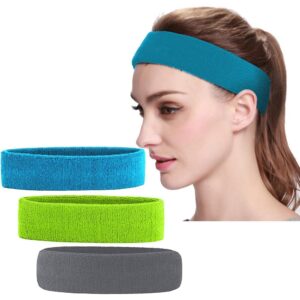
Sweat is a constant companion in sport, and managing it effectively is one of the simplest ways to improve your comfort during play. A headband keeps perspiration out of your eyes, preventing the stinging distraction that can disrupt concentration at the worst possible moment. Wristbands absorb sweat from your forearms before it reaches your hands, preserving your grip on rackets, bats, and balls.

These sports accessories may seem basic, but their impact on your playing experience is disproportionately large. Modern sweat management sporting accessories use moisture-wicking fabrics that pull perspiration away from the skin and allow it to evaporate quickly. They dry faster between points or during breaks than traditional cotton alternatives, maintaining their effectiveness throughout a long match or training session.

Compression Garments and Muscle Support

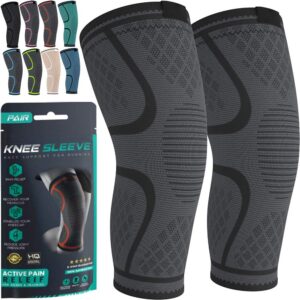
Compression sleeves, socks, shorts, and tops have become some of the most popular sport accessory equipment in modern athletics. These form-fitting garments apply graduated pressure to specific muscle groups, which supporters claim improves blood circulation, reduces muscle vibration during activity, and accelerates recovery after exercise.

Whether the performance benefits of compression sports accessories are as dramatic as marketing materials suggest remains a topic of ongoing research. What most athletes agree on, however, is that compression garments feel supportive and comfortable during intense activity. Many players report reduced muscle soreness in the hours and days following hard training when they wear compression sporting accessories during and after exercise. At minimum, they provide a psychological sense of readiness and support that many athletes find valuable.

Sports Socks: More Technical Than You Think

Socks are arguably the most underrated sporting accessories in any athlete’s kit. A quality pair of sport-specific socks does far more than cover your feet. They provide cushioning in high-impact zones, reduce friction that causes blisters, wick moisture away from the skin to prevent fungal issues, and support the arch to reduce fatigue during prolonged activity.

Different sports demand different sock constructions. Running socks prioritise lightweight cushioning and seamless toe boxes. Court sport socks add lateral support and reinforced heels for the constant stopping and starting that characterises tennis, squash, and basketball. Hiking socks use heavier cushioning and merino wool blends that regulate temperature across a wider range of conditions. Choosing the right sports accessories for your feet is one of the smallest investments that yields the biggest comfort returns.

Choosing the Right Sock Height for Your Sport

Sock height is not just an aesthetic choice. It serves functional purposes that vary by sport. Ankle socks work well for running and gym training where maximum freedom of movement is the priority. Crew-length sporting accessories provide additional protection against court abrasion and offer a surface area for light compression around the calf. Over-the-calf socks, common in football and rugby, keep shin guards in place and provide full lower-leg coverage. Matching your sport accessory equipment to the practical demands of your activity ensures every piece works together effectively.

Bags and Storage: The Sporting Accessories That Organise Your Game

How you transport and store your equipment matters more than most athletes realise. The right bag protects your gear, keeps everything organised, and makes the transition from daily life to training mode as seamless as possible. Sport accessory equipment in the bags category has evolved well beyond simple holdalls, with options designed for virtually every sport and every carrying preference.

Backpacks, Duffels, and Sport-Specific Bags

General sports backpacks and duffel bags offer versatile storage for athletes who play multiple sports or need a single bag for gym sessions and casual training. These sporting accessories typically feature multiple compartments, ventilated shoe pockets, and padded straps for comfortable carrying. They work well for players whose equipment needs are straightforward and who value simplicity.

Sport-specific bags take organisation to another level. Tennis bags include padded compartments that protect racket frames and keep strings away from extreme temperatures. Cricket bags accommodate bats, pads, gloves, and helmets in a structured layout that prevents damage during transit. Hockey bags are built to handle wet, muddy equipment with waterproof linings and drainage features. These specialised sports accessories may seem like a luxury, but they genuinely extend the life of your primary equipment by keeping it properly stored and protected.

Equipment Organisers and Accessory Pouches

Within your main bag, smaller organisers and pouches keep your sport accessory equipment tidy and accessible. A dedicated pouch for grip tape, spare strings, ball pumps, and small tools means you never waste time rummaging through the bottom of a duffel looking for something you need mid-session. Transparent or mesh pouches make it easy to see contents at a glance, while waterproof pouches protect electronics like fitness trackers and phones from sweat and rain.

These small sporting accessories cost very little but add significant convenience to your routine. Athletes who keep their bags well organised tend to arrive at training prepared and focused, while those with chaotic kit bags often find themselves distracted by missing items or damaged gear.

Hydration and Nutrition Sport Accessory Equipment

Staying properly fuelled and hydrated during training and competition is fundamental to performance, and the right sports accessories make it much easier to maintain good habits throughout your sessions.

Water Bottles and Hydration Systems

A reliable water bottle is one of the most essential sporting accessories you can own. Modern sports bottles are designed with athletes in mind, featuring leak-proof seals, easy-open mechanisms that work with one hand, measurement markings for tracking intake, and insulated walls that keep liquids cool for hours.

For endurance sports, hydration packs and vests take sport accessory equipment to a more advanced level. These wearable systems carry larger volumes of fluid in a bladder worn on the back, with a drinking tube that allows hands-free hydration without breaking stride. Trail runners, cyclists, and hikers rely on these sporting accessories to maintain hydration across long distances where carrying a bottle would be impractical or insufficient.

Electrolyte Accessories and Supplement Carriers

Beyond water, many athletes use electrolyte tablets, powders, and gels to maintain performance during extended activity. Sport accessory equipment designed for carrying and dispensing these supplements includes mixing bottles with integrated blending mechanisms, gel flasks that fit into belt loops or vest pockets, and tablet storage tubes that attach to your kit bag. These specialised sports accessories keep your nutrition strategy organised and accessible, removing one more variable from your preparation routine.

Training Aids and Performance Sporting Accessories

A whole category of sport accessory equipment exists to help athletes train more effectively. These are the tools that supplement your primary practice by targeting specific skills, building fitness, or providing feedback that helps you improve faster.

Cones, Markers, and Agility Equipment

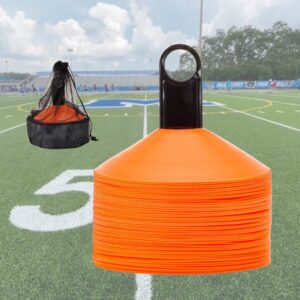
Training cones, flat markers, agility ladders, and hurdles are some of the most versatile sports accessories available. They require no technology, no batteries, and minimal storage space, yet they enable hundreds of drills that develop footwork, speed, coordination, and spatial awareness across virtually every sport. A set of cones and an agility ladder is one of the best investments any athlete can make in their personal training toolkit.

These sporting accessories are equally valuable for individual practice and group training. Coaches use them to structure sessions and create dynamic drills, while solo athletes use them to add variety and challenge to their routines. The simplicity of this sport accessory equipment is its greatest strength. There is nothing to break, nothing to charge, and nothing to learn. You simply set them up and start moving.

Resistance Bands and Portable Strength Tools

Resistance bands have become some of the most popular sports accessories in recent years, and for good reason. They are lightweight, portable, inexpensive, and capable of providing effective resistance training for virtually every muscle group. Athletes use them for warm-up activation, strength building, rehabilitation exercises, and flexibility work.

The versatility of resistance bands as sporting accessories makes them valuable across all sports. A tennis player might use them to strengthen rotator cuff muscles before a match. A runner might use them for glute activation during a warm-up. A swimmer might use them for dry-land pull exercises when pool access is limited. Carrying a set of bands in your kit bag gives you a portable gym that weighs almost nothing and takes up minimal space.

Balance Trainers and Stability Equipment

Balance boards, wobble cushions, and stability balls are sport accessory equipment designed to challenge your proprioception and core stability. These sports accessories force your body to make constant micro-adjustments to maintain equilibrium, strengthening the small stabilising muscles that protect joints and improve overall athletic control.

Regular use of balance-focused sporting accessories translates directly to improved performance in sports that demand quick changes of direction, stable platforms for hitting or throwing, and resilience against contact. They are particularly valuable for injury prevention, as strong stabilisers reduce the risk of ankle sprains, knee injuries, and falls that can sideline athletes for weeks or months.

Technology-Driven Sports Accessories

The intersection of technology and sport has produced a wave of sporting accessories that give athletes access to performance data and insights previously available only in professional laboratories. These digital sport accessory equipment options range from simple pedometers to sophisticated multi-sensor platforms.

Fitness Trackers and Smartwatches

Wearable fitness trackers and sports-focused smartwatches have become the most visible technology-driven sports accessories on the market. They monitor heart rate, track distance and pace, count calories, log training sessions, and provide recovery recommendations based on your activity patterns. Some advanced models include GPS tracking, blood oxygen monitoring, and sleep quality analysis.

The value of these sporting accessories lies not in any single data point but in the trends they reveal over time. Tracking your resting heart rate across weeks and months tells you whether your cardiovascular fitness is improving. Monitoring training load helps you balance intensity with recovery. Reviewing pace data across multiple runs shows whether your training programme is producing results. Used thoughtfully, fitness tracking sport accessory equipment becomes a powerful tool for self-coached athletes and a useful supplement for those working with coaches.

Heart Rate Monitors and Chest Straps

While wrist-based optical sensors have improved dramatically, dedicated chest strap heart rate monitors remain the gold standard for accuracy among sports accessories. These devices measure electrical signals from the heart directly, providing beat-by-beat precision that wrist sensors cannot consistently match during high-intensity activity or exercises involving significant wrist movement.

Serious endurance athletes, interval trainers, and those using heart rate zone training protocols benefit most from the accuracy of chest strap sporting accessories. They pair wirelessly with watches, phones, and gym equipment, feeding real-time data that helps you stay within your target training zones. For athletes whose training programmes depend on precise heart rate data, this piece of sport accessory equipment is worth the additional investment over wrist-only monitoring.

GPS Devices for Outdoor Sports

Dedicated GPS sports accessories provide detailed mapping, route tracking, and navigation features that go beyond what a standard fitness tracker offers. Cyclists, trail runners, hikers, and open-water swimmers use these devices to plan routes, monitor elevation changes, and navigate unfamiliar terrain safely. The precision of dedicated GPS sporting accessories typically exceeds that of phone-based tracking, particularly in challenging environments like dense forest, deep valleys, or open water where phone signals may be unreliable.

Maintenance and Care Sporting Accessories

Keeping your primary equipment in top condition requires a set of dedicated sports accessories designed for cleaning, repairing, and maintaining your gear. These are the behind-the-scenes sport accessory equipment items that extend the life and performance of everything else you own.

Grip Tape, Overgrips, and Handle Wraps

For racket sport players, grip tape and overgrips are sporting accessories that need regular replacement. A fresh grip improves hold security, absorbs sweat, and provides the tactile feedback you need to execute precise shots. Most active players replace overgrips every few sessions, making them one of the most frequently purchased sports accessories in any racket player’s routine.

Handle wraps serve a similar function for bat sports, hockey sticks, and gym equipment. They customise the feel of the handle to your preference, add cushioning that reduces vibration, and create a non-slip surface that performs consistently even when your hands are sweating. Keeping a supply of replacement wraps in your kit bag is a simple habit that pays dividends in comfort and control.

Cleaning Kits and Equipment Care Products

Dedicated cleaning products are sport accessory equipment designed to maintain specific types of gear. Rubber cleaners for table tennis paddles restore surface tackiness. Leather conditioners keep cricket gloves and footballs supple. Anti-fog sprays keep swim goggles and ski masks clear. Shoe deodorisers eliminate odour buildup in frequently used footwear.

These sporting accessories take minutes to use but can add months or years to the functional life of your equipment. Building a small maintenance kit of sports accessories specific to your sport ensures that your gear performs consistently and looks presentable every time you step onto the field, court, or track.

Pump Needles, Valve Adapters, and Inflation Tools

If your sport involves inflatable balls, having your own pump and a set of needle adapters is one of the most practical pieces of sport accessory equipment you can own. Properly inflated balls perform dramatically better than under-inflated or over-inflated ones. A small hand pump with a pressure gauge takes up almost no space in your bag and ensures you are always playing with equipment at the correct specification. These simple sporting accessories eliminate the frustration of arriving at a session to find flat balls and no pump in sight.

How to Build Your Sports Accessories Collection Wisely

With such a vast range of sporting accessories available, it is easy to overspend on items that seem useful in the shop but gather dust in your kit bag. A strategic approach to building your sport accessory equipment collection ensures every item earns its place.

Start with the Essentials for Your Primary Sport

Identify the sports accessories that directly impact your comfort, safety, and ability to train effectively. For most athletes, this means a quality bag, a reliable water bottle, appropriate socks, and whatever maintenance tools your primary equipment requires. These foundational sporting accessories should be your first purchases because they support every single session.

Add Performance and Training Tools Gradually

Once your essentials are covered, introduce sport accessory equipment that enhances your training quality. Resistance bands, agility equipment, and a fitness tracker are versatile sports accessories that benefit athletes across almost every discipline. Add these items one or two at a time, giving yourself the opportunity to integrate each new piece into your routine before adding more.

Avoid the Impulse Buy Trap

The sporting accessories market is full of cleverly marketed gadgets that promise revolutionary results. Before purchasing any new sport accessory equipment, ask yourself three questions. Will I use this at least once a week? Does it solve a specific problem I actually have? Can anything I already own do the same job? If the answer to any of these questions is no, the item probably does not deserve space in your kit bag, no matter how appealing the marketing makes it look.

Frequently Asked Questions About Sports Accessories

What are the most important sports accessories for a beginner?

Beginners should focus on a quality equipment bag, a durable water bottle, sport-appropriate socks, and any protective sporting accessories required by their sport such as mouthguards or shin guards. These essentials provide immediate comfort and safety benefits without overcomplicating the early stages of learning a new activity.

How often should I replace my sporting accessories?

Replacement frequency depends on the specific item and how heavily it is used. Overgrips and sweat-absorbing sports accessories may need replacing every few weeks during active seasons. Socks and compression garments typically last several months. Bags and technology-based sport accessory equipment can serve you for years with proper care. Inspect your sporting accessories regularly and replace anything that is visibly worn or no longer performing its function.

Are expensive sports accessories always better than budget options?

Not always. Some budget sporting accessories perform remarkably well, particularly simple items like training cones, basic resistance bands, and water bottles. However, for sport accessory equipment that directly affects comfort or safety, such as compression garments, technical socks, and protective gear, investing in quality typically delivers a noticeably better experience and longer lifespan.

Can the right sporting accessories actually improve my performance?

Yes, though the improvements are usually indirect. Quality sports accessories remove distractions like sweat in your eyes, slipping grips, and blistered feet, allowing you to focus entirely on your game. Training aids help you develop skills more efficiently. Technology-driven sport accessory equipment provides data that guides smarter training decisions. Individually, each benefit may seem small, but collectively they create an environment where consistent improvement becomes much easier to achieve.

Final Thoughts on Investing in Quality Sport Accessory Equipment

Sports accessories will never generate the excitement of a new racket, a fresh pair of boots, or the latest training shoe. But they are the connective tissue that holds your entire sporting setup together. The right sporting accessories keep you comfortable, prepared, and focused on what matters: playing your sport and getting better at it every time you train or compete.

Build your collection of sport accessory equipment thoughtfully, starting with essentials and expanding as your needs become clearer. Choose quality where it counts, maintain what you buy, and resist the temptation to accumulate gear you will never use. When your sports accessories work in harmony with your primary equipment, the result is a sporting experience that feels effortless, organised, and genuinely enjoyable from the moment you pack your bag to the moment you step off the court, field, or track.